As we head into 2026, it’s becoming more and more obvious where event AV tech can add value and where it’s just adding noise.
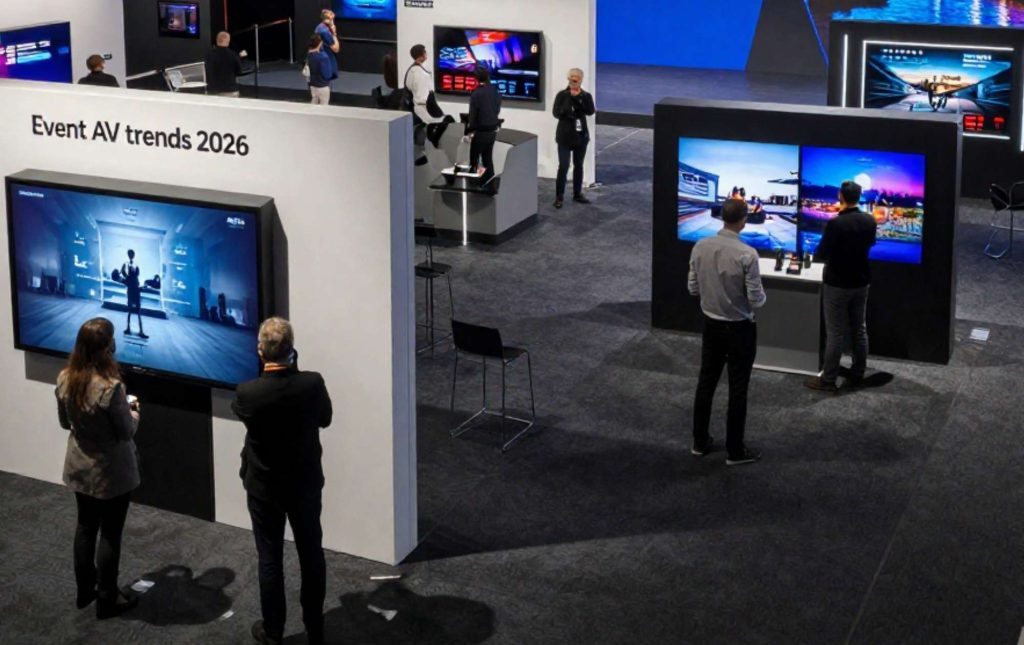
The last few years pushed a lot of rapid change and now the focus has shifted. Conference organisers are looking for AV that feels reliable, considered and well matched to their audience, not tech for tech’s sake.
For businesses and associations running regular conferences, this is a good time to think ahead. Not everything needs to change at once, but understanding where AV is heading helps avoid last minute decisions and rushed upgrades.
Here are the AV trends that will be shaping conferences in 2026 and worth factoring into your planning:
1. Mixed reality – stage design – settling into everyday use
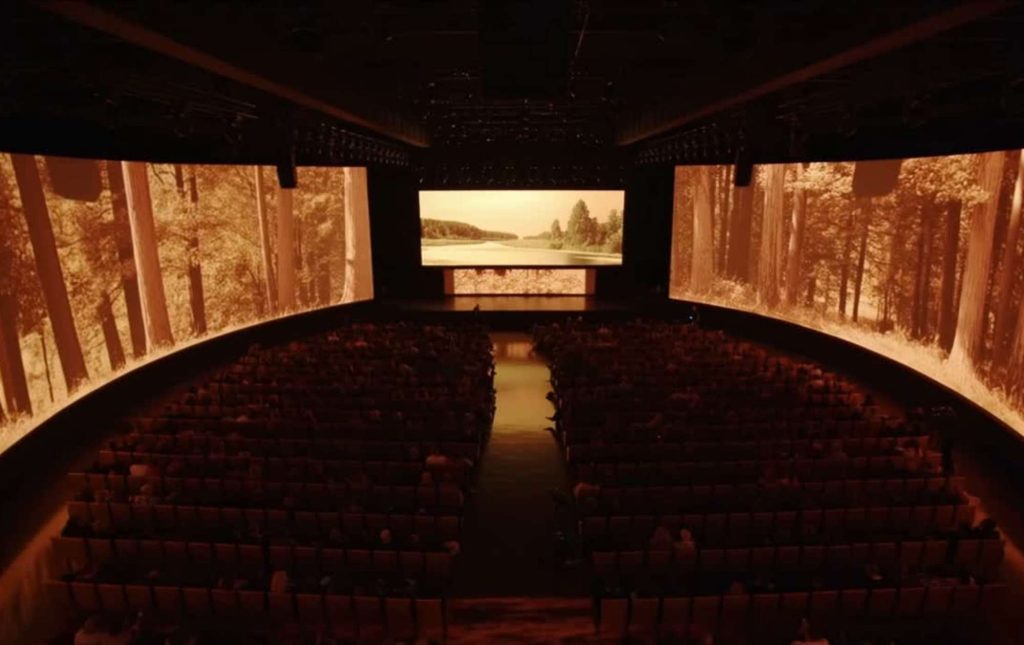
Mixed reality is no longer limited to large scale launches or one off showcase events. It is increasingly being used in conferences to support content in a practical way.
Put simply, mixed reality blends the physical stage with digital elements on screen. Think presenters standing in a real space, with digital backgrounds, graphics or environments layered in to support what they are saying. It is not virtual reality headsets or anything distracting, it is a smarter way of using AV screens, cameras and content together.
Rather than building large physical sets, digital environments can extend or adapt the stage as sessions change throughout the day.
Used well, mixed reality can
• Add depth to AV presentations without overwhelming the room
• Create visual effects to support data heavy content or technical AV content with ease
• Reduce the need for physical set changes across multi day events
• Keep branding consistent while allowing flexibility from session to session
The key shift is that mixed reality is being designed around the message, not as a visual gimmick. For 2026 events, it works best when audiences barely notice the technology and simply feel more immersed in the story being told
2. Smarter LED design with sustainability front of mind
LED screens remain central to conference design, but expectations have changed. Clients are asking how AV systems are powered, how often they are reused and what impact they have beyond the event itself.
Smarter LED setups now focus on
• Energy efficient AV panels that reduce overall power draw
• Modular designs that can be reused across multiple events
• Lighter frames that simplify transport and bump in
• Creative layouts that do more with less screen real estate
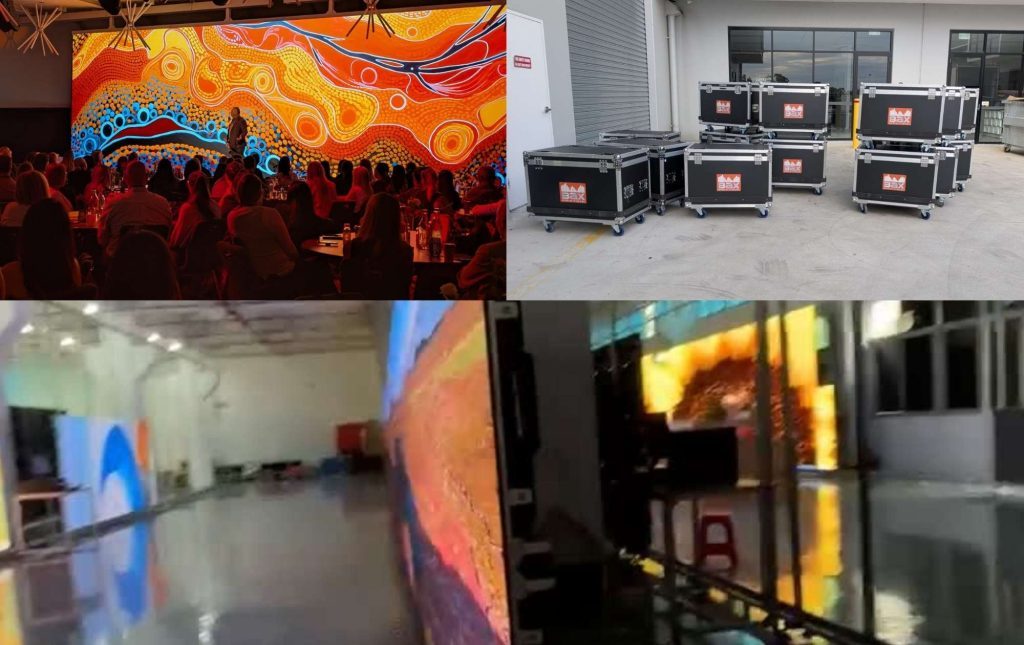
“Our clients don’t just want an event that works, they want to see sustainability in action and we’re proud to make that possible,”
Dale Bax, owner, BaxAV
Sustainability is no longer a separate conversation. It is becoming part of how stages are designed from the outset. For organisers, this often means better long term value rather than higher upfront spend.
By combining reliable, high-quality equipment with expert technical support and thoughtful sustainable practices, we deliver conferences that meet modern expectations while staying true to our clients’ values.
3. Cleaner signal paths and simpler technical builds
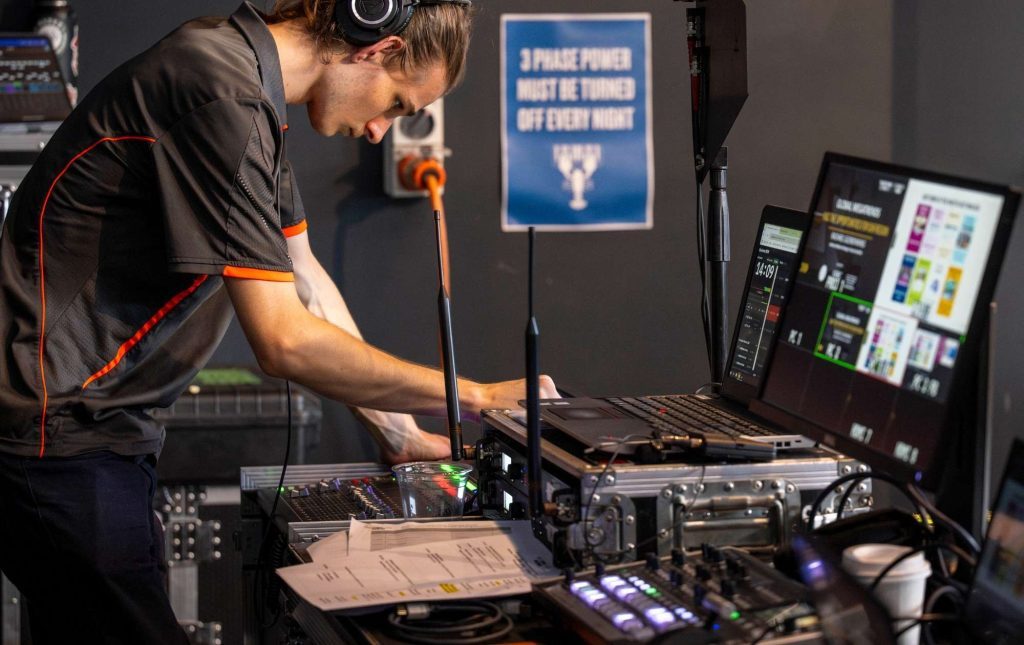
One of the most important changes happening behind the scenes is the move towards cleaner and more flexible signal paths.
In simple terms, signal paths are the routes that audio and video take from the source to the screen, speakers or recording system. In the past, this often meant lots of fixed cabling and hard-wired connections that were difficult to change once an event was underway.
Network based AV systems are now common in conference environments, which means audio and video can be sent over shared networks rather than single purpose cables. This makes it much easier to route content wherever it’s needed, adapt to last minute changes and keep everything running smoothly without clutter or complexity.
The result is a setup that feels calmer, more reliable and far more adaptable, even as sessions, speakers or room layouts shift across the day.
“We use custom-made racks with built-in microphones, laptops, switchers, timers and pro clickers designed to support cleaner signal paths, shorter setups and simple tech builds that can also provide a faster room turnaround”
Dale Bax, owner, BaxAV
Benefits:
• Faster setup and pack down
• Greater flexibility when agendas change
• Reduced cable clutter and points of failure
• More reliable integration with streaming and recording
For conferences with multiple rooms, repeat sessions or hybrid components, this kind of infrastructure reduces stress and improves consistency. It also allows venues and organisers to scale events up or down without redesigning everything from scratch.
4. AI assisted switching and cueing
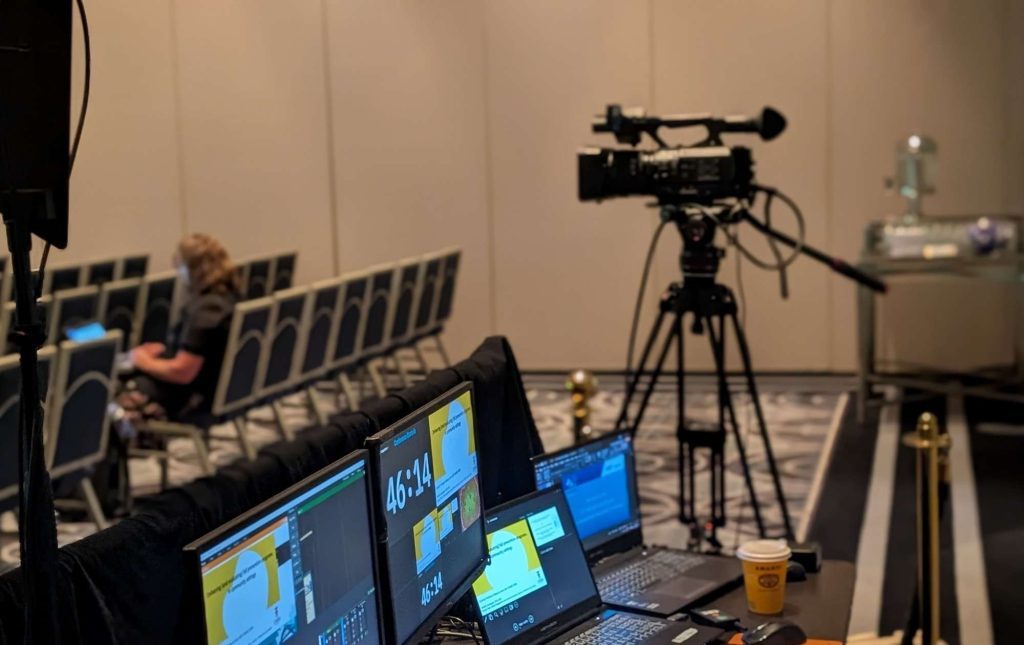
AI at events is becoming more practical. The most useful tools are those that quietly support operators during live production.
In real terms, this includes:
• Camera systems that follow presenters naturally
• Automated / AI suggestions for live switching
• Cue management tools that reduce manual errors
• Smarter captioning and accessibility support
These systems do not replace people. They give experienced crews better tools to work with, especially during long conference days with tight run sheets and other event installations.. When used properly, AI reduces pressure and improves consistency without changing how an event feels to the audience.
5. Immersive sound quality
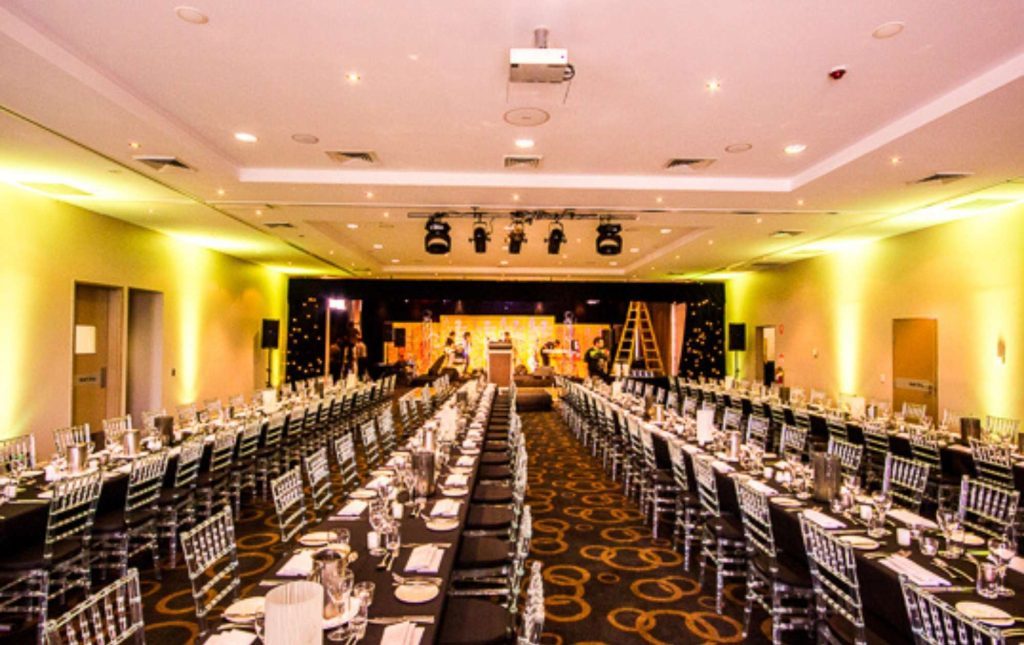
Audio has always mattered but expectations around sound quality are rising. Immersive and spatial audio techniques are now being used to improve speech clarity and listening comfort rather than create dramatic effects.
Well designed audio systems can
• Improve intelligibility across large or awkward rooms
• Reduce listener fatigue during long sessions
• Ensure consistent sound levels throughout the space
• Support hybrid and recorded content more effectively
For conferences, this often makes a bigger difference to delegate experience than any visual upgrade. In 2026, good sound will be assumed rather than noticed, which is exactly how it should be.
“When audio is designed properly, people stop thinking about the sound and start focusing on the message.”
Dale Bax, Owner BAX AV
6. Hybrid events finding a sustainable place
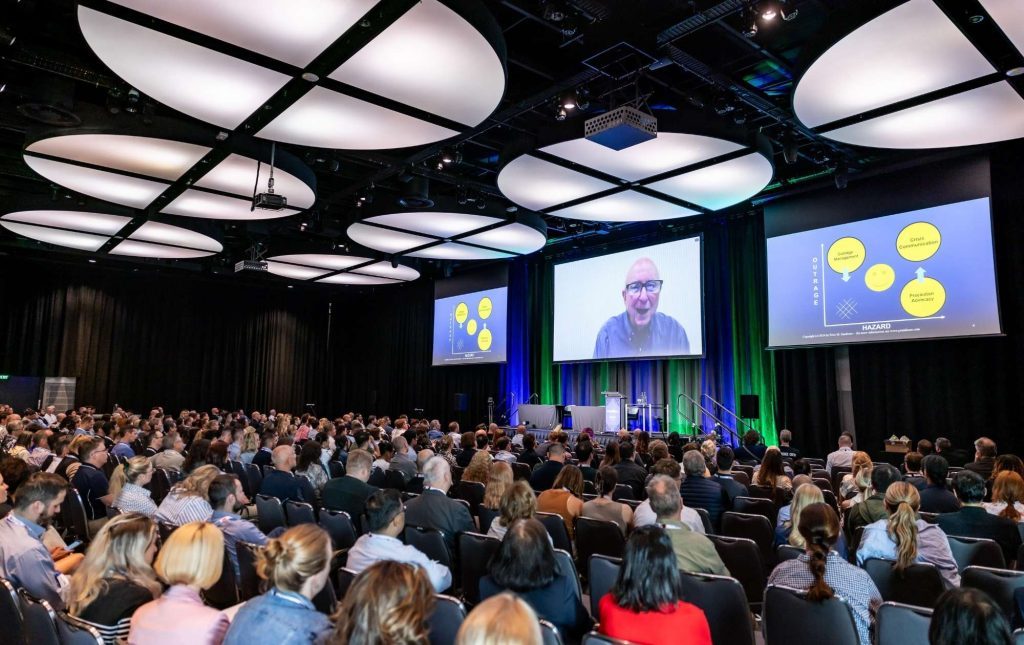
Hybrid events are settling into a more balanced position. Instead of trying to replicate the live experience exactly, organisers are designing events that work well for both in room and remote audiences.
Effective hybrid planning now focuses on
• Purpose built streaming rather than a single wide camera
• Clear audio and camera framing for speakers and panels
• Engagement tools that include remote attendees meaningfully
• Accessibility for those who cannot travel
For corporate and association conferences, hybrid formats offer resilience and reach. When planned properly, they feel intentional rather than compromised.
Planning for event AV in 2026 and beyond
The common theme across all of these trends is thoughtful design. The technology itself matters less than how it supports your content, your audience and your goals.
This is where experience really counts. Working with a partner like Bax AV means your AV is planned around how your event actually runs, not just what looks good on a spec sheet. It’s about understanding flow, speakers, room challenges and the way content changes across a program, then designing systems that support that from the start.
If you run conferences year after year, early planning makes a real difference. It allows you to invest where it counts, avoid unnecessary upgrades and build AV solutions that grow with your event rather than being rebuilt from scratch each time.
Good AV should feel calm, dependable and invisible when it needs to be. That’s the standard audiences will expect in 2026, and it’s exactly how Bax AV approaches every conference, with clarity, care and long term thinking built in from day one.
Experience the difference www.baxav.com.au